
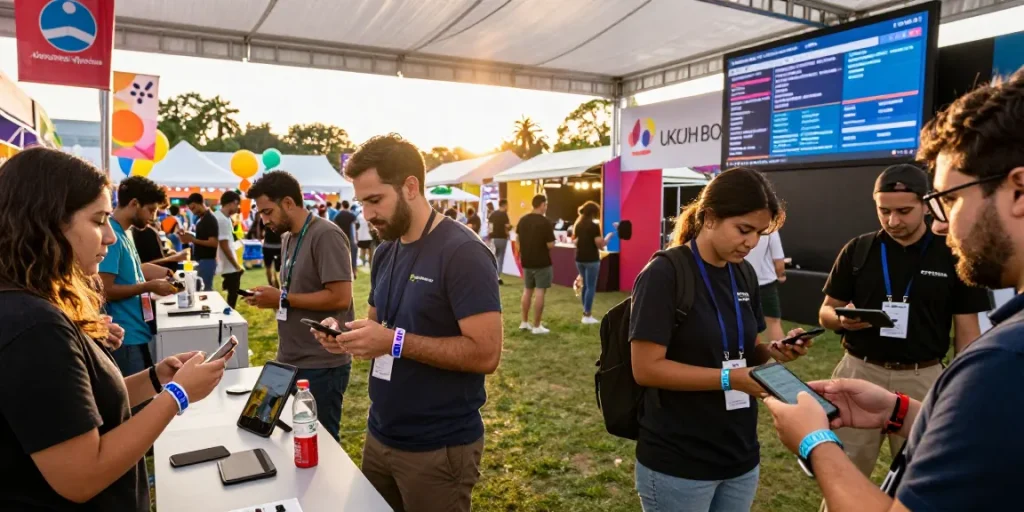
Understanding Cashless Payments in Events
In the fast-evolving landscape of event management, cashless payment systems have emerged as a game-changer. These technologies not only streamline transactions but also enhance the overall attendee experience. By integrating pago cashless en eventos, event organizers can create a seamless, efficient environment that caters to the demands of modern audiences.
What are Cashless Payments?
Cashless payments refer to the methods of exchange that do not involve physical currency. They can take many forms, including mobile payments, virtual wallets, and contactless cards. In the context of events, this often translates to systems utilizing technologies such as Near Field Communication (NFC) and Radio Frequency Identification (RFID), allowing attendees to make purchases and access services without the need for cash.
The Rise of NFC Technology in Events
NFC technology has been at the forefront of transforming how events manage access and transactions. By embedding NFC chips into wristbands or cards, event organizers can enable quick, secure access to venues while also facilitating cashless transactions at food stalls, merchandise shops, and bars. The convenience of simply tapping a wristband can significantly reduce queue times, thereby enhancing attendee satisfaction.
Benefits of Cashless Systems for Event Organizers
- Enhanced Efficiency: Cashless systems drastically decrease transaction times, allowing for smoother operations during events.
- Improved Financial Tracking: Real-time data analytics enable organizers to monitor sales and inventory, making adjustments as needed.
- Increased Revenue Opportunities: Studies suggest that events utilizing cashless payment systems see a significant increase in sales, as attendees are likely to spend more when transactions are frictionless.
- Enhanced Security: Cashless transactions reduce the risk of theft and loss associated with handling cash.
Implementing Smart Access Control
The integration of NFC technology extends beyond just payments; it also plays a crucial role in access management. By employing NFC wristbands, organizers can achieve a high level of control and efficiency.
How NFC Bands Improve Access Management
NFC wristbands facilitate quick entry into events, drastically reducing wait times. They allow for multiple security checks without the need for physical tickets, which can often lead to bottlenecks. This streamlined entry process not only enhances security but also improves the overall experience for attendees.
Real-Time Monitoring and Data Analytics
Utilizing a cloud-based panel, organizers can monitor crowd density and flow in real time. This capability helps in making immediate adjustments to enhance safety and optimize the experience. Analyzing patterns also supports future event planning, enabling organizers to understand peak times and attendee behaviors.
Best Practices for Implementing Access Solutions
- Conduct Thorough Testing: Before the event, ensure that all systems are tested comprehensively to address any glitches.
- Communicate Clearly with Attendees: Inform attendees about how the system works and what they need to do for a smooth entry process.
- Provide Adequate Staffing: Ensure that staff are well-trained to assist attendees with the new system, minimizing confusion and frustration.
Boosting Revenue with Cashless Payments
Implementing cashless payment systems can significantly enhance revenue streams for event organizers. By facilitating easier transactions, not only do sales increase, but the overall financial management becomes simpler and more efficient.
Impact on Bar and Vendor Sales
Research indicates that events using cashless systems report a sales increase of up to 30% in bars and food stalls. The ease of using a wristband or card minimizes impulse control issues, encouraging attendees to spend more freely.
Strategies for Encouraging Cashless Transactions
- Offer Incentives: Discounts or promotions for cashless transactions can entice attendees to opt for these payment methods.
- Educate Attendees: Provide clear instructions and assistance on using cashless options to alleviate any hesitations.
- Optimize Payment Stations: Ensure that points of purchase are equipped to handle cashless transactions quickly to maintain flow.
Case Studies of Successful Events
For instance, at the SoundWave Festival, over 40,000 attendees were able to access the venue without delays thanks to NFC wristbands. According to Marcos Torné, the festival’s director, the system “was impeccable,” showcasing the effectiveness of modern access solutions.
Managing Attendee Experiences Effectively
Enhancing attendee experiences is central to the success of any event. Technology, particularly NFC and cashless solutions, plays a pivotal role in this aspect.
Enhancing Guest Interaction Through Technology
By offering personalized experiences through data collected via cashless transactions, organizers can tailor services to attendee preferences, providing a unique and engaging environment.
Real-Time Feedback and Adjustments
Utilizing real-time data allows organizers to respond swiftly to any issues that may arise during events. This adaptability can significantly improve attendee satisfaction and address concerns before they escalate.
Addressing Common Misconceptions
Many organizers fear that moving to a cashless system will alienate some attendees. However, with proper education and preparation, these misconceptions can be overcome, allowing for a smoother transition and enhanced experiences.
The Future of Events: Trends to Watch in 2026
As technology continues to evolve, so too will the landscape of event management. Keeping abreast of emerging trends will be vital for organizers aiming to stay competitive.
Emerging Technologies and Innovations
Innovations such as augmented reality, advanced data analytics, and AI-driven engagement strategies are set to redefine how events are planned and executed. Anticipating these changes will allow organizers to leverage these technologies for maximum impact.
Predictions for Attendee Engagement
Attendee engagement will likely become more personalized and data-driven. With comprehensive insights into attendee behaviors, organizers can craft experiences that resonate deeply with their audience.
The Role of Sustainability in Future Events
Increasingly, attendees are prioritizing sustainability. Implementing cashless systems can reduce waste related to physical tickets and cash handling, aligning event practices with attendee values.
What Will Be the Next Big Thing?
In looking ahead, the continued integration of intelligent wearables and IoT devices into event management will likely transform how data is collected and utilized, paving the way for an even more interconnected event ecosystem.
What are the benefits of cashless payments in events?
Implementing cashless payments can enhance convenience, speed, and security, while also increasing overall sales and attendee satisfaction.
How do NFC wristbands work for access control?
NFC wristbands function by using embedded chips to grant access through secure, contactless tapping, allowing for rapid entry and reduced queues.
What challenges might organizers face with cashless systems?
Potential challenges include tech malfunctions, resistance from attendees unfamiliar with cashless transactions, and the need for robust infrastructure.
How can cashless payments enhance festival experiences?
By simplifying the purchasing process, cashless payments allow attendees to enjoy a more seamless experience, reducing stress and enhancing overall enjoyment.
What trends can we expect in event technology for 2026?
Growth in AI, enhanced personalization, and increased emphasis on sustainability are among the key trends anticipated in event technology for 2026.